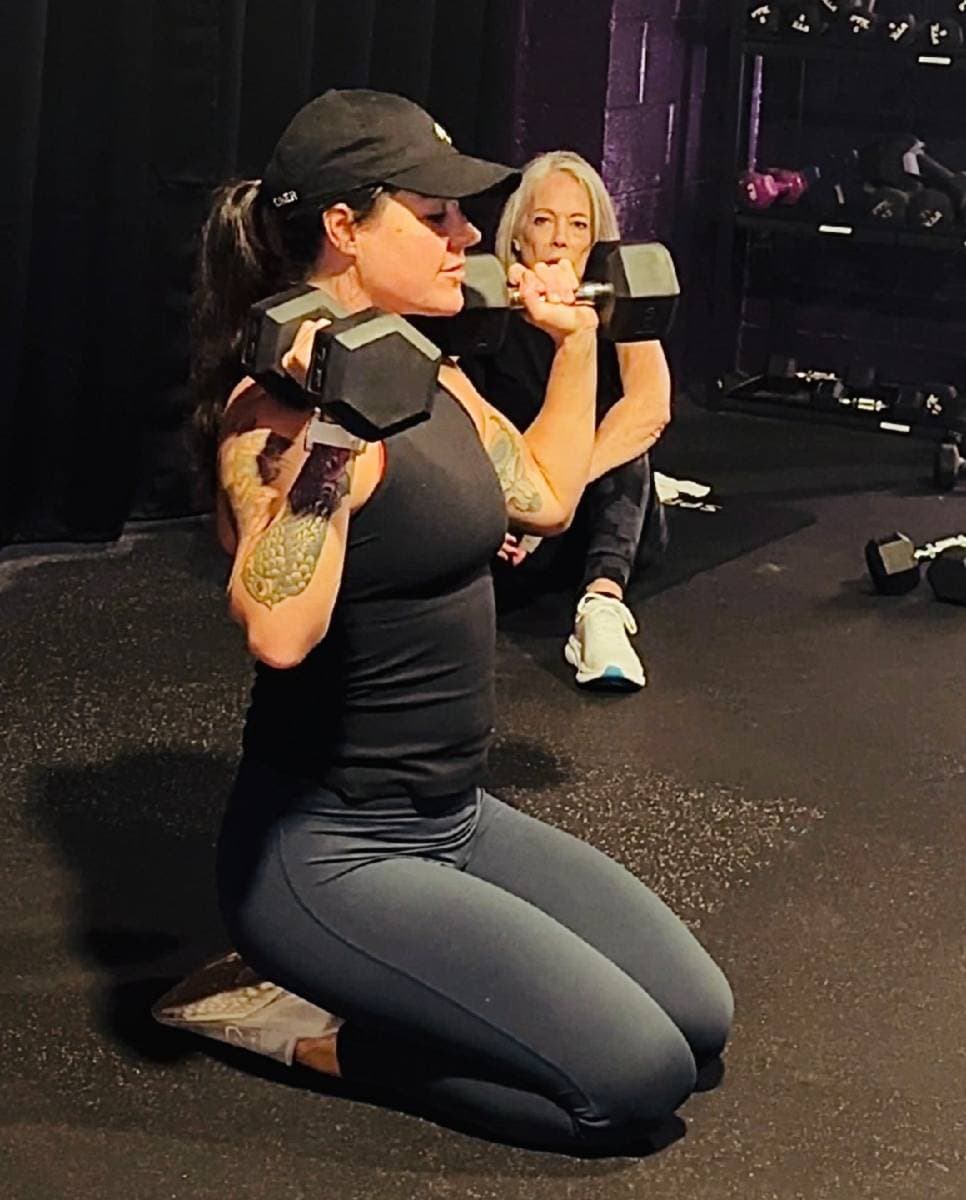
Strength Training Classes in Sherman Oaks: What Actually Makes You Stronger
The difference between a strength training class that produces real results and one that just makes you tired — and what to look for at any gym in Sherman Oaks.
Jess Lewis
Founder & Owner, Dragonfly Cycle + Train
Strength training is having a moment. After years of cardio-dominant gym culture, people are waking up to what strength coaches have known for decades: building muscle is the most effective thing most people can do for long-term health, body composition, and functional quality of life.
But not all strength training classes are built the same. Some produce results. Others just make you tired and sore. Here's how to tell the difference — and what we do differently at Dragonfly.
What Strength Training Actually Is
Strength training is any workout that makes your muscles work against resistance — weights, bands, bodyweight, machines. The mechanism for getting stronger is simple: you apply progressive overload (gradually increasing the demand on your muscles over time), your body adapts, you get stronger.
The reason most people don't get meaningfully stronger even when they're working hard: they're not progressing. They're doing the same thing week after week, and the body has no reason to adapt further.
What to Look For in a Strength Training Class
Progressive Programming
This is the single biggest differentiator between a strength class that works and one that just burns calories. In a well-designed program, each week builds on the last. Weight goes up. Rep ranges shift. Movement complexity increases. Without this, you're just exercising — which has value, but it's not the same as training.
At Dragonfly, our strength classes run in structured cycles. Members who show up consistently track their progress: they're lifting more, moving better, and feeling measurably stronger than they were six weeks ago. That's the point.
Coaching Quality
Strength training done poorly is the fastest way to get hurt. The main culprits: rounded lower back during deadlifts, knee collapse during squats, poor shoulder mechanics during pressing. These aren't advanced-level concerns — they're beginner errors that a good coach catches in the first class.
Walk into any strength class you're evaluating and watch whether the instructor is actually watching the room. Are they correcting form? Are they noticing when someone's movement pattern isn't right? Or are they just playing music and calling out reps?
Class Size
Form coaching at scale is hard. In a class of 25 people, no instructor is watching everyone closely enough. In a class of 8–12 — which is our cap — real coaching is possible. This is one of the inherent advantages of boutique fitness over big-box gym group classes.
Exercise Selection
Effective strength programs center on compound movements: squats, hinges (deadlifts, Romanian deadlifts), presses, rows, and carries. These recruit the most muscle mass, produce the highest hormonal response, and have the most carryover to real life. A class that's mostly isolated machine work or endless ab exercises isn't a strength class — it's a "looks like strength" class.
Who Strength Training Is For
The short answer: everyone. The longer answer:
- If you want to lose body fat: Strength training is more effective than cardio for long-term fat loss because muscle tissue burns more calories at rest. The combination of strength training plus moderate cardio (like cycling) is optimal.
- If you're over 40: Muscle mass declines at roughly 1% per year after 30 without deliberate resistance training. Strength training is the most effective intervention available for slowing this process.
- If you do other sports or classes: Strength training improves performance in cycling, running, yoga, and virtually every other physical activity. Members who add strength work to their cycling consistently ride stronger.
- If you've never done it: Beginners see the fastest results. Your first 3–6 months of consistent strength training will produce more visible change than almost any other fitness intervention.
Common Mistakes People Make When Starting
Going too heavy too fast. The urge to load up the bar is real, especially in a group setting. Resist it. The first several weeks should feel almost too easy — you're learning patterns, and perfect reps at low weight build the foundation for heavy reps later.
Skipping the warmup. Cold muscles move worse and break more easily. Five minutes of mobility work and light activation before a strength session reduces injury risk substantially.
Treating soreness as the goal. Being sore after a session doesn't mean the session worked. In fact, extreme soreness usually indicates you went too hard too fast, and it'll impair your next session. A good strength class should leave you feeling worked, not destroyed.
Strength Training at Dragonfly
Our strength training classes in Sherman Oaks are coached, progressive, and small enough that your form actually gets watched. The programming cycles, which means you're not repeating the same random workout every week — you're building.
If you're new to strength training or returning after time away, the $40 two-week trial is a low-risk way to find out if it's right for you. Two weeks of unlimited classes, real coaching, no contract. Come try it.